
Discussion of the future of the Bar at the UBA Judicial Forum 2025
On 27 November 2025, the Supreme Court hosted the XIV Judicial Forum, a leading annual event where strategic challenges and the future of justice are discussed. On the first day of the event, judges, lawyers, representatives of judicial administration bodies, and legislators focused on three key areas: the digital transformation of the justice sector, the reform of the bar, and the unity of judicial practice.
The participants were welcomed by the President of the Supreme Court, Stanislav Kravchenko, the President of the Ukrainian Bar Association, Mykola Stetsenko, and the head of the EU Pravo-Justice Project, Oksana Tsymbrovska.
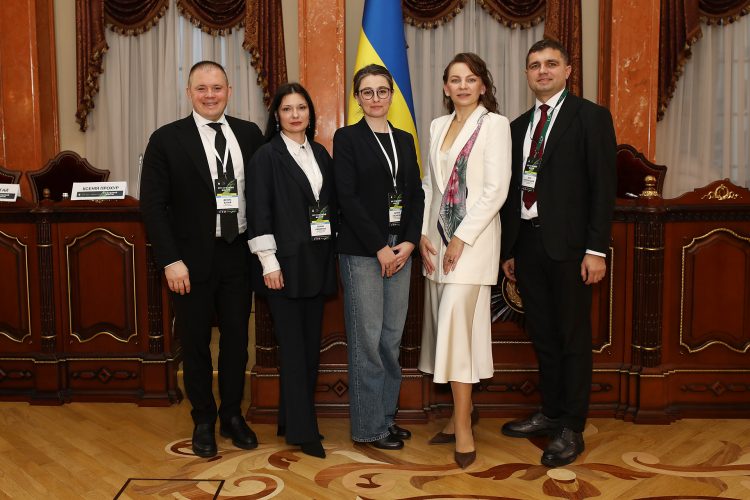
The second session of the forum was devoted to discussing the Shadow Report on the current state of the bar in Ukraine, systemic challenges, problems of bar self-government, and the need to reform the institutional model. The discussion was moderated by Ksenia Prokhur, advisor at Baker McKenzie.
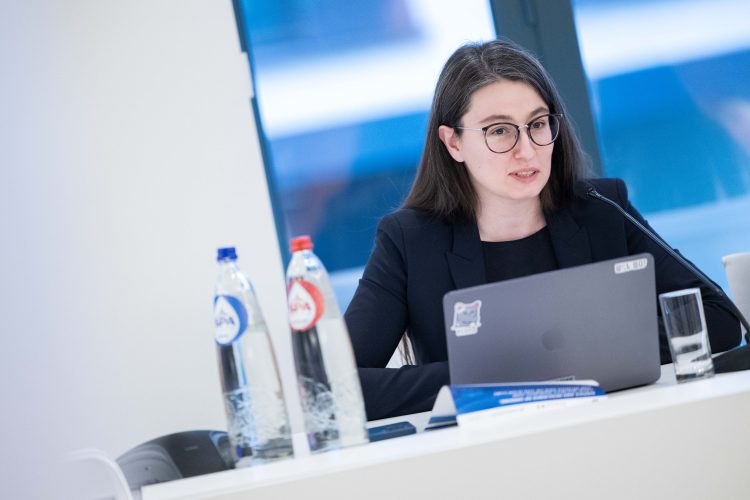
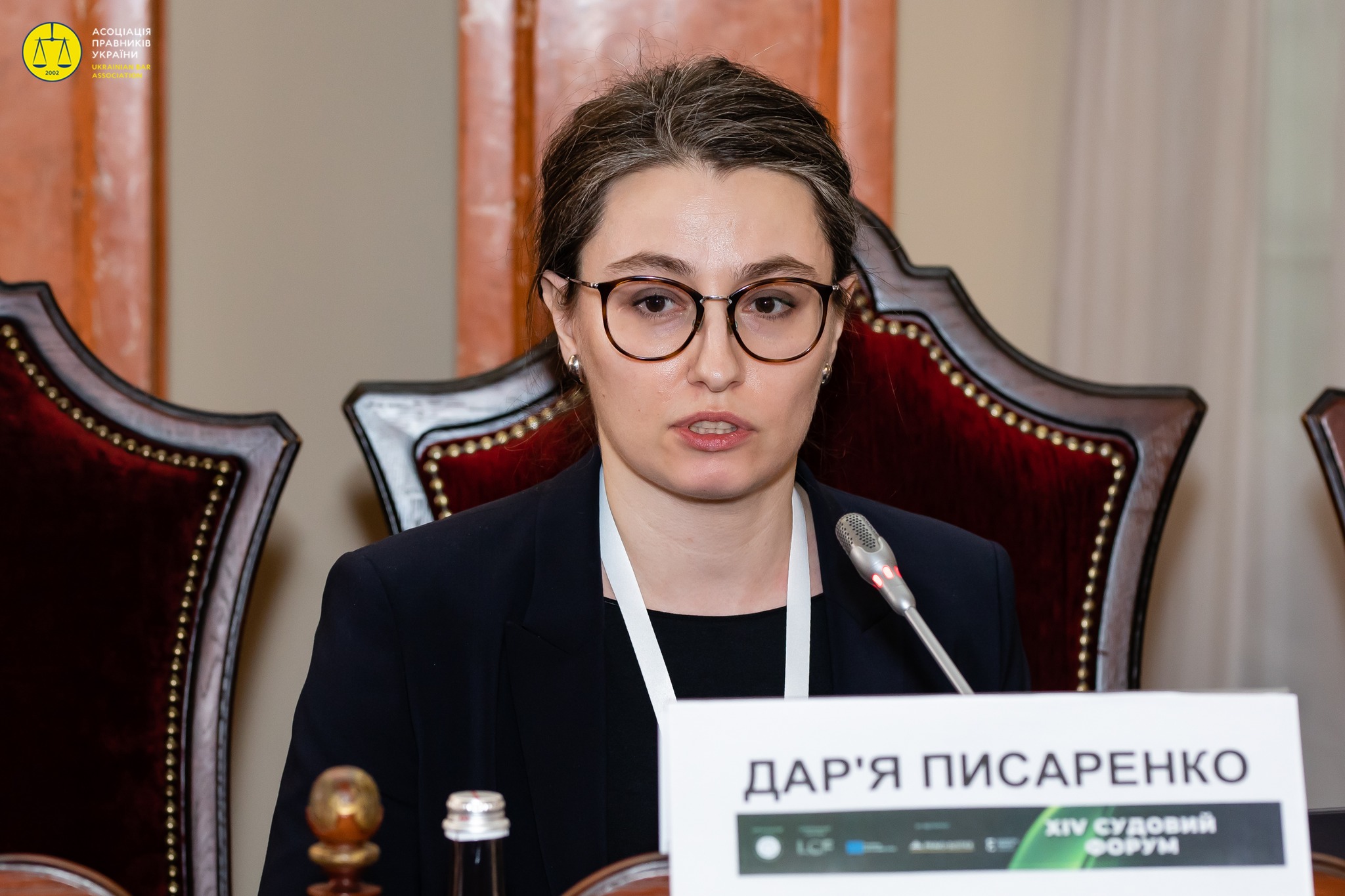 The first speaker of the session was Daria Pysarenko, director of the Tomorrow’s Lawyer. Daria began with a strategic message: reform of the Bar is not only an internal priority, but also a clear requirement of the European Commission, which is enshrined in official documents. This is the first time that the Bar has been mentioned so directly in European integration reports, which testifies to its systemic importance in reforming the legal system. In particular, this concerns the need for competitive and transparent elections to self-government bodies, decentralisation of the self-government system, changes to the conditions of access to the profession and disciplinary procedures.
Among the main challenges outlined by the speaker and examined in the Shadow Report are the excessive centralisation of the self-government system, the technologically outdated system of access to the profession, and the formalisation of professional development. Ms. Daria emphasised: ‘The system must become open, modern and truly representative of the interests of lawyers.’ In her opinion, the launch of fair, democratic and technological elections should be central to the reform. It is with this step that the real transformation of the profession must begin.
The session was also attended by:
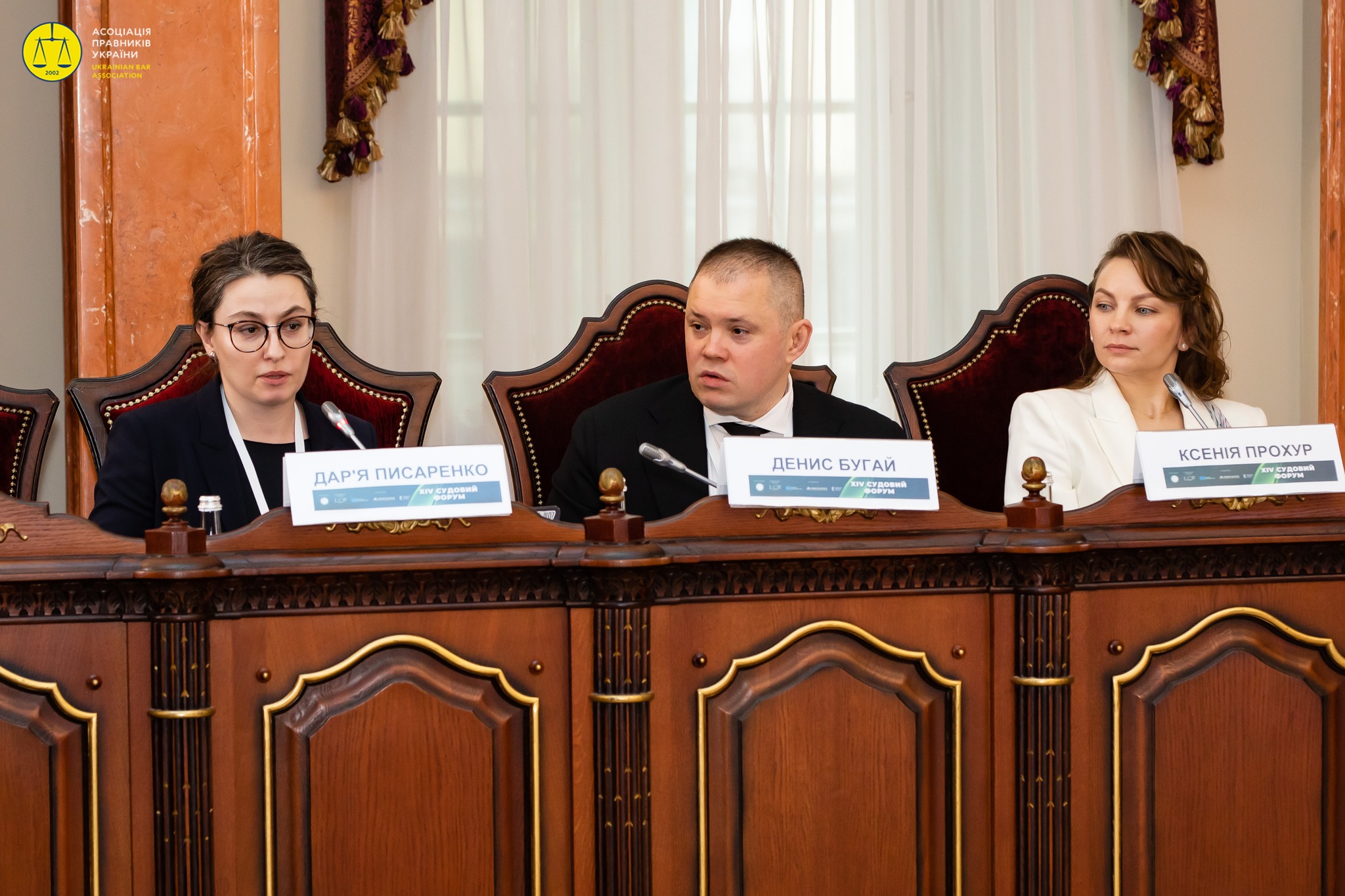 Denis Bugay, member of the UBA Board, founding partner of VB Partners. He focused on seven key areas of reform of the Bar, which were formulated in the relevant UBA resolution. Denis separately addressed the issues of financial opacity of the Bar. He stressed that the existing reports do not give a true picture of the real state of affairs, and the lack of independent auditing only exacerbates mistrust. The speaker also drew attention to the outdated procedures for admission to the profession, which need to be reformed in accordance with the principles of openness and integrity. In the context of disciplinary responsibility, he stressed that the current system needs to be balanced — it should not only punish, but also serve as a tool for professional regulation.
Hanna Lazarchuk, member of the Bar Council of Ukraine from the Rivne region. She focused on four issues mentioned in the EU report on enlargement and the roadmap for reforms: the failure to hold the Congress of Advocates of Ukraine, the failure to elect two members of the High Council of Justice, bringing the legislation on the bar into line with best European practices, and disciplinary procedures. 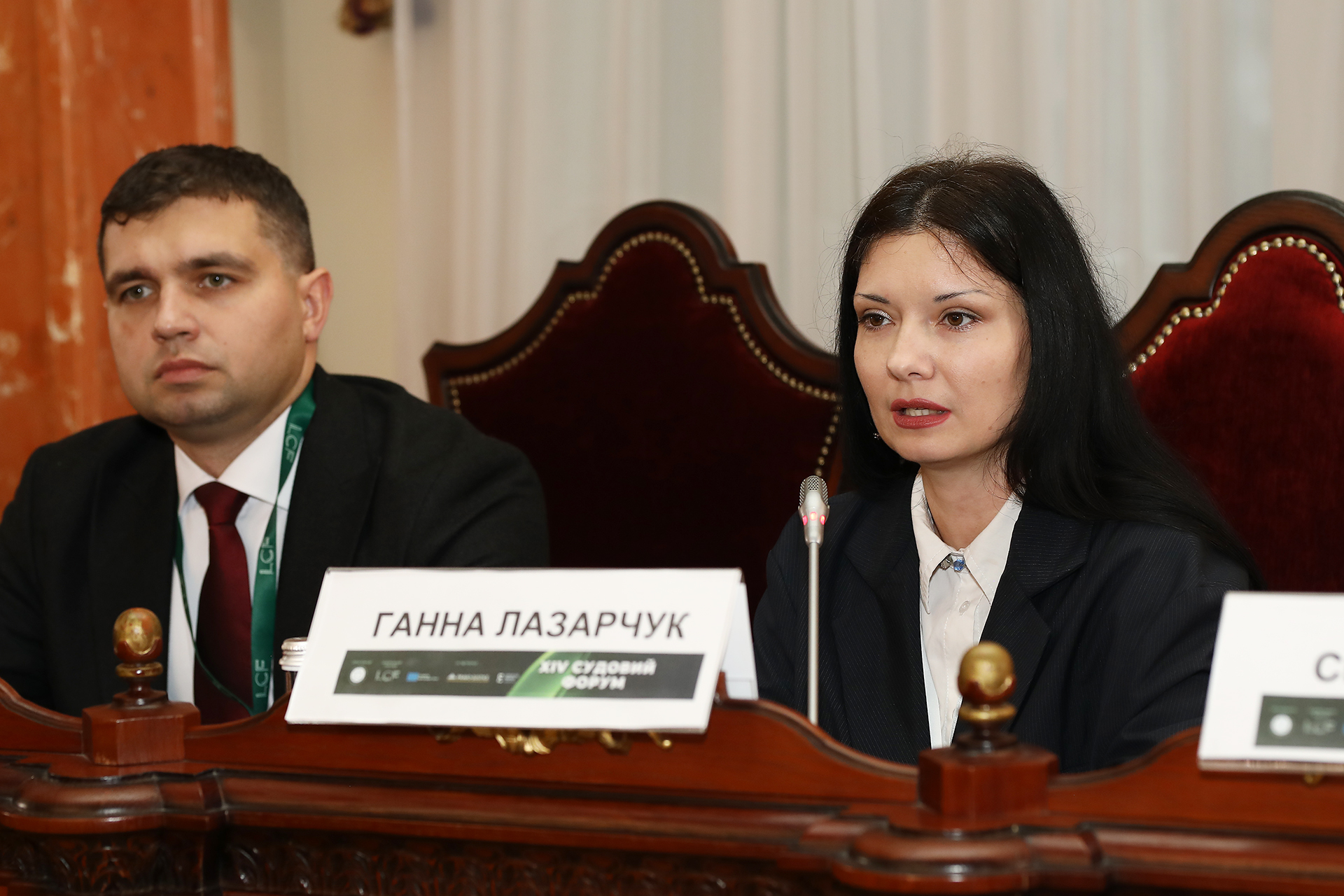 At the same time, she was critical of the wording of some of these comments, stressing that a number of problems are related not to the reforms as such, but to the objective circumstances of wartime. She explained that the Congress itself is currently impossible to hold not because of the inaction of the bar self-government bodies, but because of the inability to hold regional conferences in a safe and legitimate manner. Regarding the idea of e-voting, Ms Hanna stressed that such an initiative is not technically ready, as half of the lawyers still do not have e-offices, and the development of the relevant software requires resources that the bar does not currently have.
Ivan Gorodysky, Vice President of the Ukrainian Bar Association and expert of the EU Project ‘Pravo-Justice’. He noted that the reform will take place in any case, as it is required by the European integration process. However, there is a risk that it will be formal and will not solve key problems. Without internal demand and revitalisation of the corporation itself — when every lawyer feels part of a living community capable of dialogue, criticism and renewal — there will be no qualitative changes. “We are at the beginning of a long journey. And if the Bar does not revive from within, everything will boil down to formalities. These changes are too costly for us to allow ourselves such a privilege,” concluded Ivan Gorodyskyi.